History and archaeology
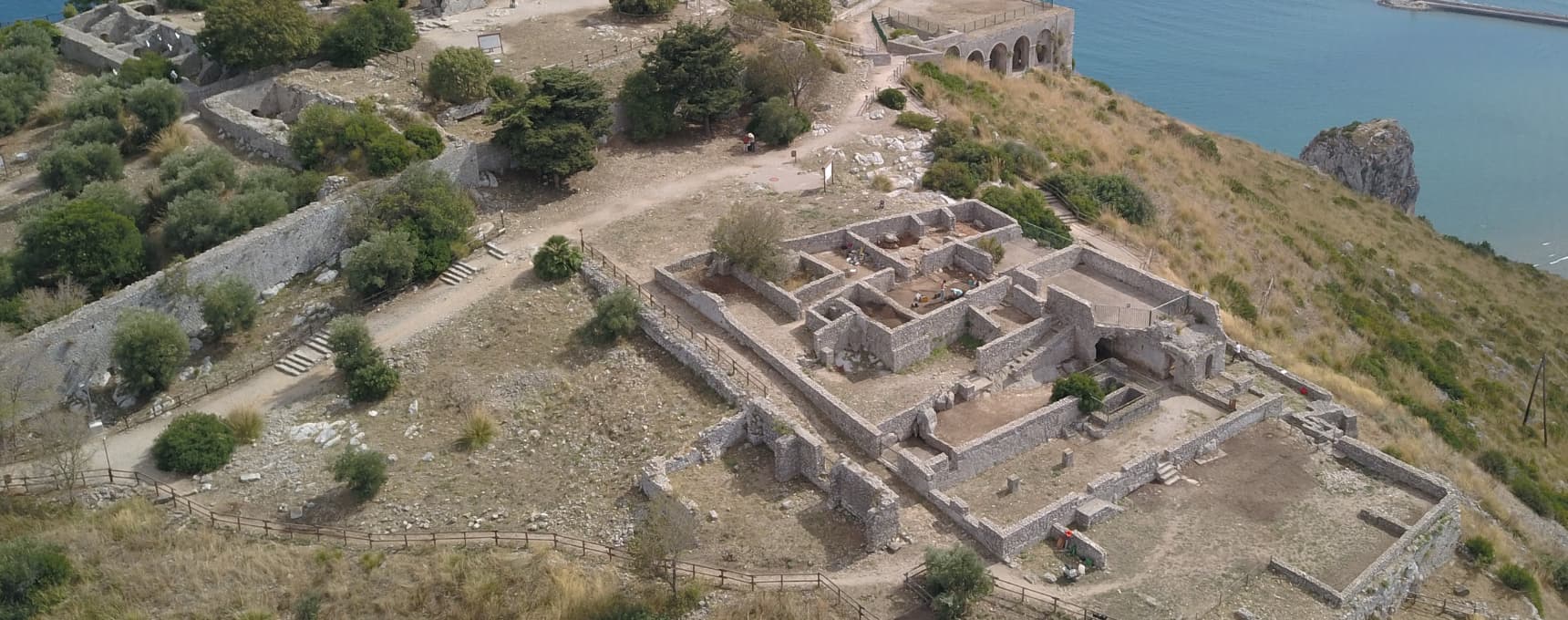
The Academy’s work on this research topic uses the latest digital technologies to study fundamental evidence relating to human history, such as ancient vessels, cuneiform artefacts, inscriptions, letters and documents. The findings are compiled in editions, directories and databases. This work not only safeguards cultural heritage but also makes it available to the whole world. Interesting podcasts and videos relating to history and archaeology can be found in our media centre.
Archaeological Investigations and Excavations of Ancient Urbanity
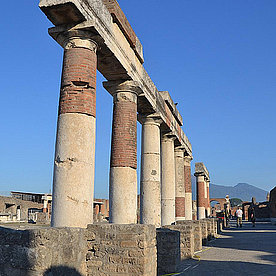
Urbanisation set the pace for the development of ancient civilisations. The cities of antiquity gave rise to new forms of cohabitation and complex legal, economic and power structures. Lifestyles also became more elaborate. The project studies the material legacy of cities in Ancient Greece and Rome, including Pompeii, Selinunte, Apollonia and Terracina, creates networking opportunities for institutes, and investigates new interdisciplinary methods.

Corpus of Baroque Ceiling Painting in Germany
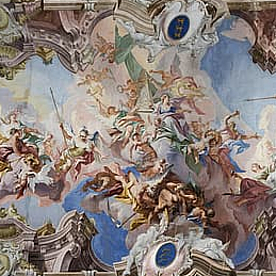
Ceiling and wall paintings were among the most iconic design elements of baroque interiors. Between 1550 and 1800, castles, churches, ballrooms and libraries were graced with astonishingly diverse and innovative surface paintings. The project studies the 4,000 or so preserved and restorable paintings that have survived in present-day Germany. Innovative digital techniques are used to make the findings available in an online database.

Corpus Vasorum Antiquorum
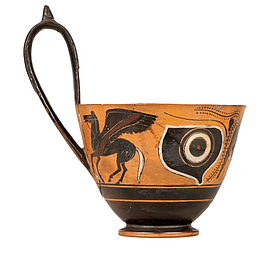
The shapes, decorations and inscriptions of ancient Greek ceramics are a special kind of historical source, offering a wealth of information on what life was like in the living environments of the time. They provide one of the most important foundations of our knowledge of antiquity, complementing the information acquired from written sources. The international Corpus Vasorum Antiquorum project uses uniform standards to catalogue the painted ancient Greek vases in museums and collections around the world and makes this information available in an online database.
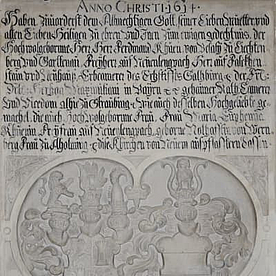
German Inscriptions from the Middle Ages and Early Modern Period
Inscriptions are texts marked on “durable” materials such as stone, wood, metal, textile and glass. They often provide a better record of historical events and figures than other written sources. The project makes inscriptions from Bavaria dating from the Middle Ages and the early modern period accessible in a single edition. The work involves transcribing often only partially legible texts as well as translation, object description, historical classification and commentary.
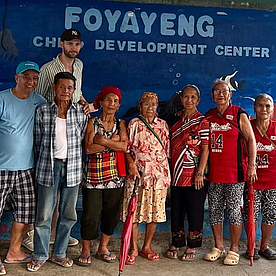
German Colonialism in the Philippines
The collection of pharmacist Heinrich Rothdauscher (1851–1937) is among the oldest focusing on the Philippines to be found in German museums. It comprises 112 culturally sensitive ritual, cult and everyday objects which are currently preserved in Munich’s Museum Fünf Kontinente. In cooperation with the societies of origin and Filipino researchers, the project aims to explain the historical context in which the objects were acquired. It does this through a digital text edition of key sources, complete photographic documentation of the collection and 3D scans of selected items.
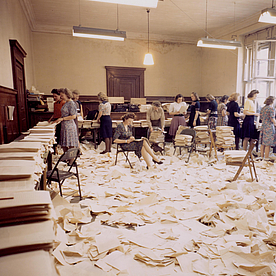
Digital Nuremberg Military Tribunals
The project provides digital access to the extensive files produced in the subsequent Nuremberg trials (1946–1949). Its work combines basic research on (legal) history with digital humanities methods, artificial intelligence and natural language processing. The project’s aims are to make an important chapter of Germany’s post-war history more accessible to an international audience, as well as provide fresh impetus for research on international criminal law and reappraisal of the crimes of the Nazi regime.
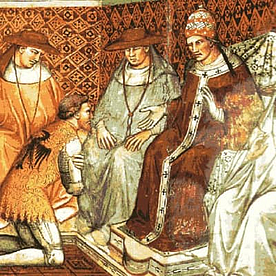
The Formation of Europe by Overcoming the Schism of the 12th Century
The Alexandrine schism (1159–1177) was the most crucial test in the formation phase of the High Middle Ages in Europe. “The Formation of Europe by Overcoming the Schism of the 12th Century” is a project set up to examine the course of events and mechanisms of the papal schism. It uses this historical episode as a model and comparative case to analyse overarching questions relating to division, escalation and crisis management.
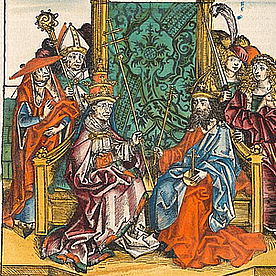
German Historical Sources from the Middle Ages
"German Historical Sources from the Middle Ages" is a digital catalogue of narrative sources originating from the medieval Frankish and German Empire of around 750 to 1519, or that relate to German medieval history. The digital collection currently encompasses over 5,300 works, including “Carmina Burana” and Otto von Freising's “Chronicle”.
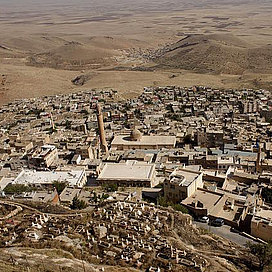
Cuneiform Artefacts of Iraq in Context
Mesopotamia, the land located between the Euphrates and Tigris rivers, is known as the cradle of civilisation. It was here that writing was invented around 5,000 years ago. The approximately 17,000 cuneiform tablets in the Iraq Museum in Baghdad are a central part of this cultural heritage. As well as being preserved and restored as part of the international Cuneiform Artefacts of Iraq in Context (CAIC) project, researchers are also documenting and studying the cuneiform inscriptions using the latest technology, including 3D photography and artificial intelligence.
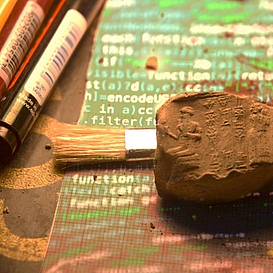
KIŠIB. Digital Corpus of Ancient West Asian Seals and Sealings
Seals and their impressions on clay sealings and cuneiform tablets (“kišib” in the Sumerian language) form the oldest and most extensive body of images originating from the Middle East. This valuable store of knowledge is scattered in museums and collections around the world, and digital access has been limited up to now. The project opens up a representative corpus of around 80,000 seals and sealings from the 4th to the 1st century BC using methods including machine learning.
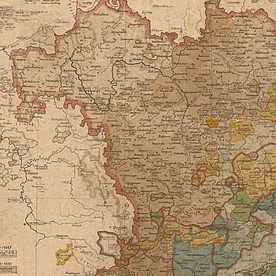
Bayerische Landesgeschichte
The Commission for Bavarian History supports research into Bavaria’s history. The scope extends across all regions and eras and is driven by an interdisciplinary team networking across Europe. The Commission is composed of around 60 elected members drawn from universities and non-university institutions in Bavaria and beyond. The Institute for European Ethnology and the Swabian Research Centre Augsburg are also part of the Commission.
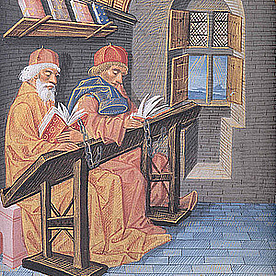
Medieval Library Catalogues of Germany and Switzerland
The fall of the Roman Empire also resulted in the loss of famous libraries from antiquity, such as the one in Alexandria or the Biblioteca Palatina in Rome. Europe had to wait until the Middle Ages for a revival of its book culture, which was centred around its monasteries. The project systematically indexes all library catalogues created in Germany and Switzerland up to around the year 1500, thus enabling further research on the intellectual heritage of the Middle Ages.
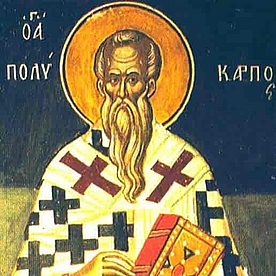
Writings of John of Damascus
John of Damascus (c. AD 650–750) is known as the “last of the Greek fathers” of both the Eastern and Western Churches. His work encompasses the entire field of Greek theology at the end of its great epoch and provides a dogmatic summary of the Orthodox faith. This project is compiling the first complete critical edition of his works.
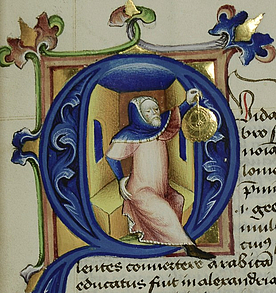
Ptolemaeus Arabus et Latinus
Polymath Claudius Ptolemaeus (c. AD 100–160), better known as Ptolemy, was the most influential proponent of geocentrism and the author of such works as the Almagest and the Tetrábiblos. This project catalogues the Arabic and Latin versions of his astronomical and astrological works via catalogues of all surviving manuscripts, editions of Arabic and Latin works either written by Ptolemy or falsely attributed to him, and commentary literature. Research tools and studies are further components of the project.
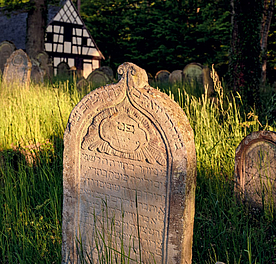
Steinerne Zeugen digital
The “Steinerne Zeugen digital. German-Jewish Sepulchral Culture between the Middle Ages and the Modern Era – Space, Form, Inscriptions” project is dedicated to studying the Jewish cemeteries dating from the 11th century onwards that still survive in Germany. By producing an edition of Hebrew and Hebrew/German grave inscriptions and analysing the design language of the gravestones and their topographical arrangement, the project will be able to create a representative corpus of text and images.
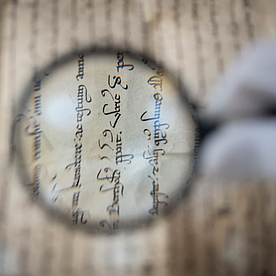
Emperor Frederick II’s Charters
The objective of this project is to collect and then process and edit over 2,600 charters of the Holy Roman Emperor Frederick II (1194–1250), of the Hohenstaufen dynasty, from all over Europe. The project provides an understanding of Europe’s legal and constitutional history, specifically that of Germany (during the Holy Roman Empire), Italy and Southern France, as well as general history, the history of the chancery and administrative structure, and the development of the Latin language in the 13th century.
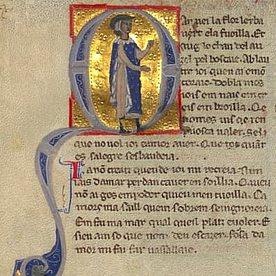
Knowledge Networks in the Medieval Romance Cultural Sphere
During the High and Late Middle Ages, science communication was very often conducted in the languages of the Romance cultural sphere, such as Italian, French or Occitan. The use of these languages enabled cultural exchange and helped to lay a foundation for the European identity as a knowledge society. The project looks at two of the knowledge domains during that period – medicine and law – and combines methods from the fields of linguistics, textual philology and history of science with digital humanities and ontology engineering.